
Biohazard Cycles editorial
10 Next-Wave Motorcycles Worth Watching Heading Into 2027
The road to 2027 is not one neat model-year list. It is a mix of confirmed production motorcycles, a genuine 2027 supersport, and engineering prototypes that show where the industry is moving next. Here are ten machines with real manufacturer backing—and why riders should care.
What “heading into 2027” means
We separate confirmed model years from future-facing concepts. A production badge means the manufacturer currently lists the motorcycle for sale or release. An upcoming badge means the manufacturer has announced it but final U.S. timing or specifications may still change. A prototype badge means it previews technology—not a guaranteed showroom model.
The machines moving the market
From high-output combustion to practical electrification, these motorcycles matter because they change expectations—not because somebody changed the paint and called it a revolution.
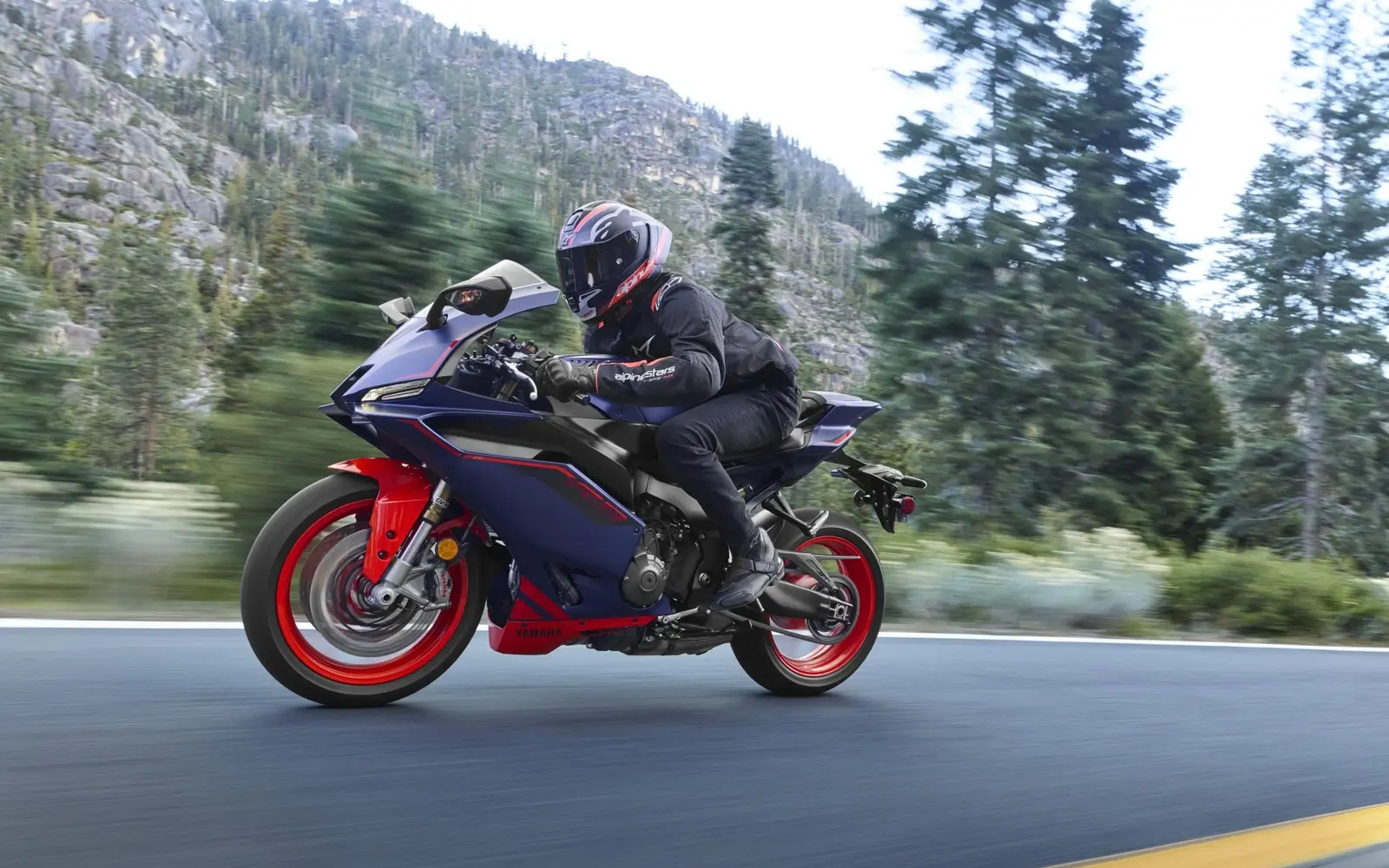
YZF-R9
Yamaha’s U.S. model page now identifies the R9 as a 2027 motorcycle. Its 890cc CP3 triple sits in a dedicated supersport chassis with R1-derived electronic rider aids, landing between middleweight usability and liter-bike intensity.
The bigger story is accessibility: a serious track-capable platform that does not require superbike power—or superbike money—to be interesting.
Manufacturer detailsShop related performance parts
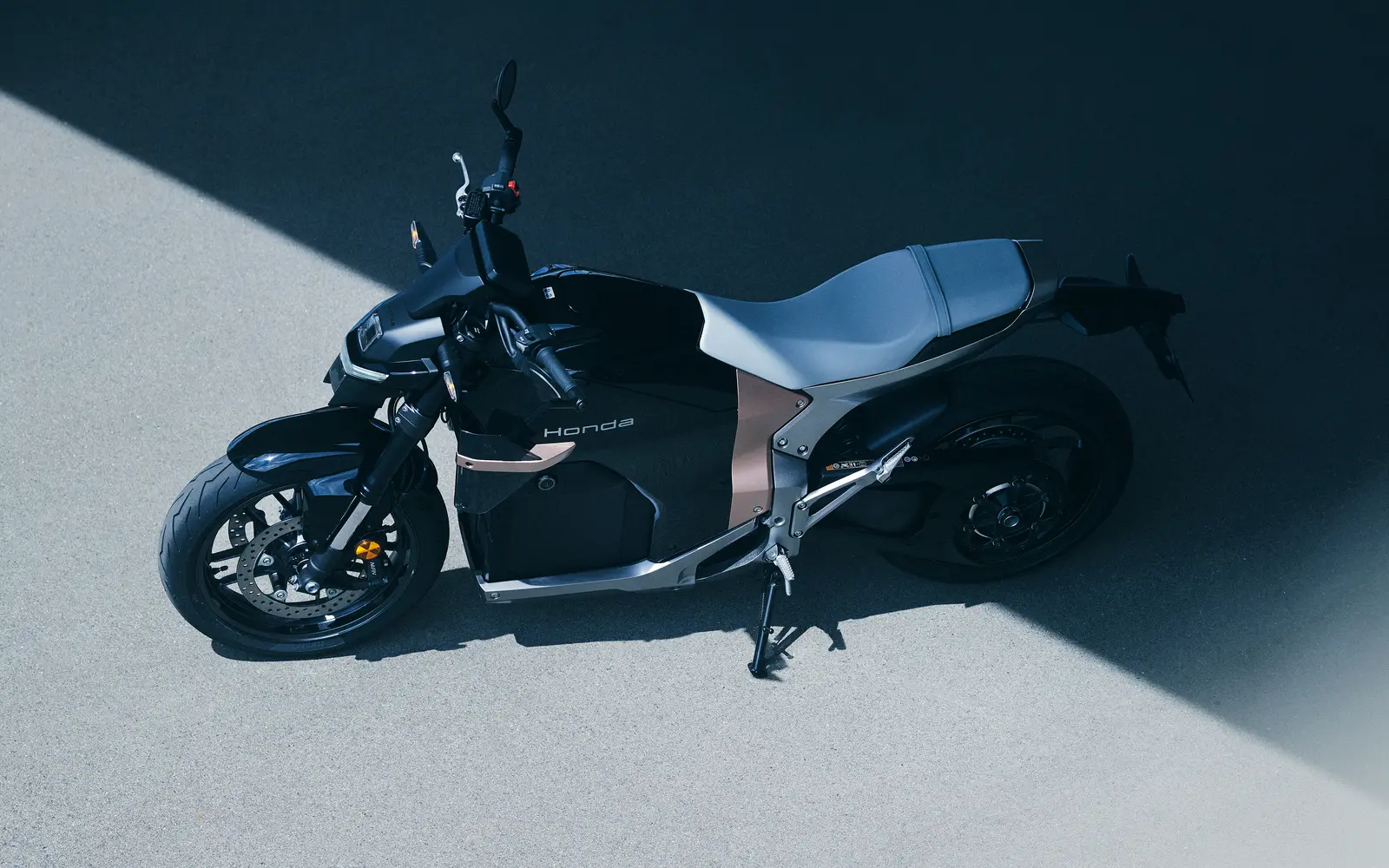
WN7 Electric
Honda calls the WN7 its first full-size electric motorcycle. The published specification lists 50 kW maximum power, up to 140 km of certified range, and a claimed 20-to-80-percent charging time of 30 minutes.
What matters is not just the battery. It is Honda applying normal-motorcycle development, handling work, service support, and brand scale to a category still searching for mainstream confidence.
Manufacturer detailsShop universal upgrades
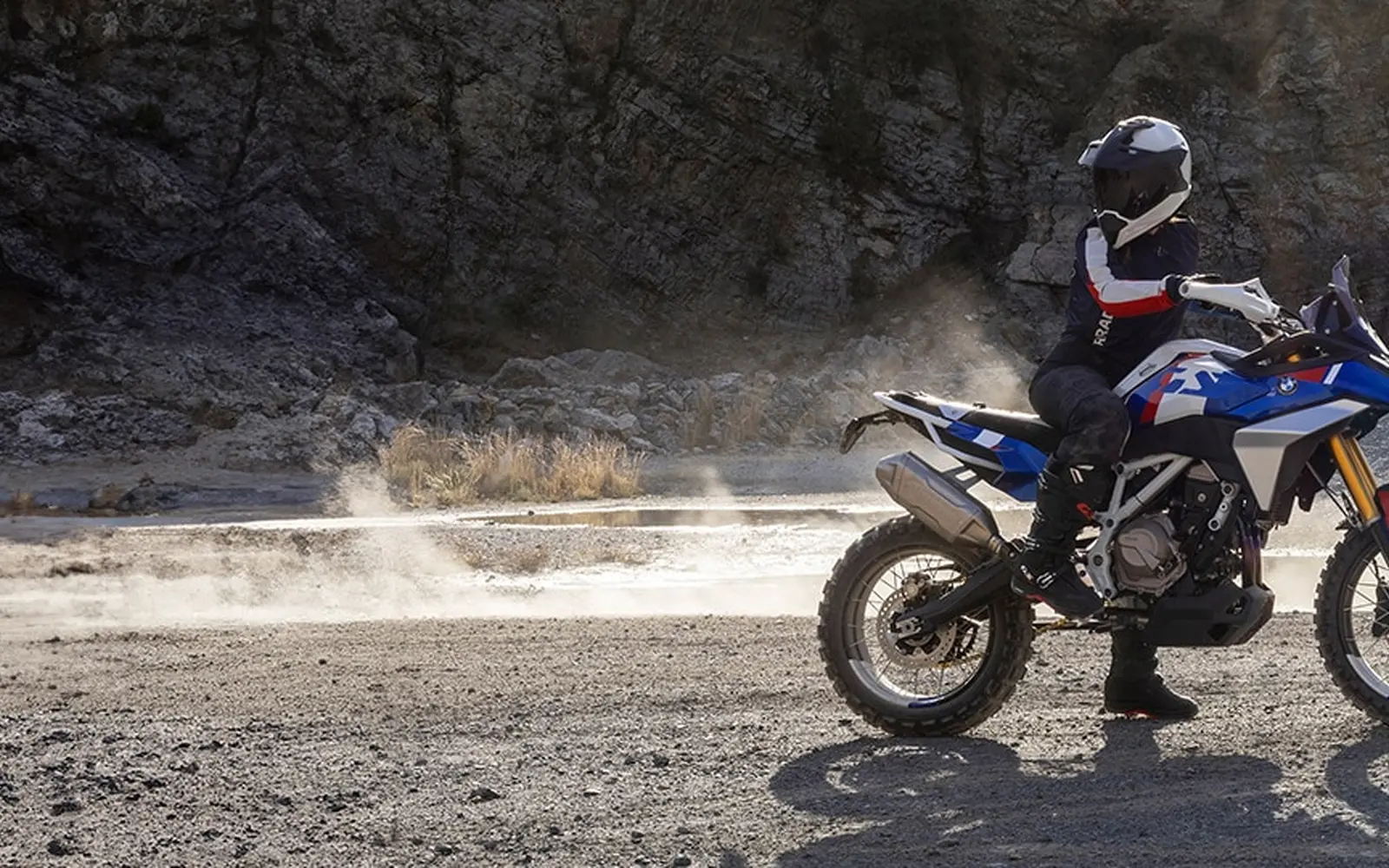
F 450 GS
BMW’s lightweight GS has moved from concept preview to a production model built around a 48 hp parallel twin and a claimed 393-pound weight. It targets the useful middle ground between approachable dual-sports and increasingly massive adventure flagships.
If BMW delivers real off-road control without burying the bike in mass, the F 450 GS could reset the value equation for premium middleweight ADV machines.
Manufacturer backgroundShop adventure upgrades
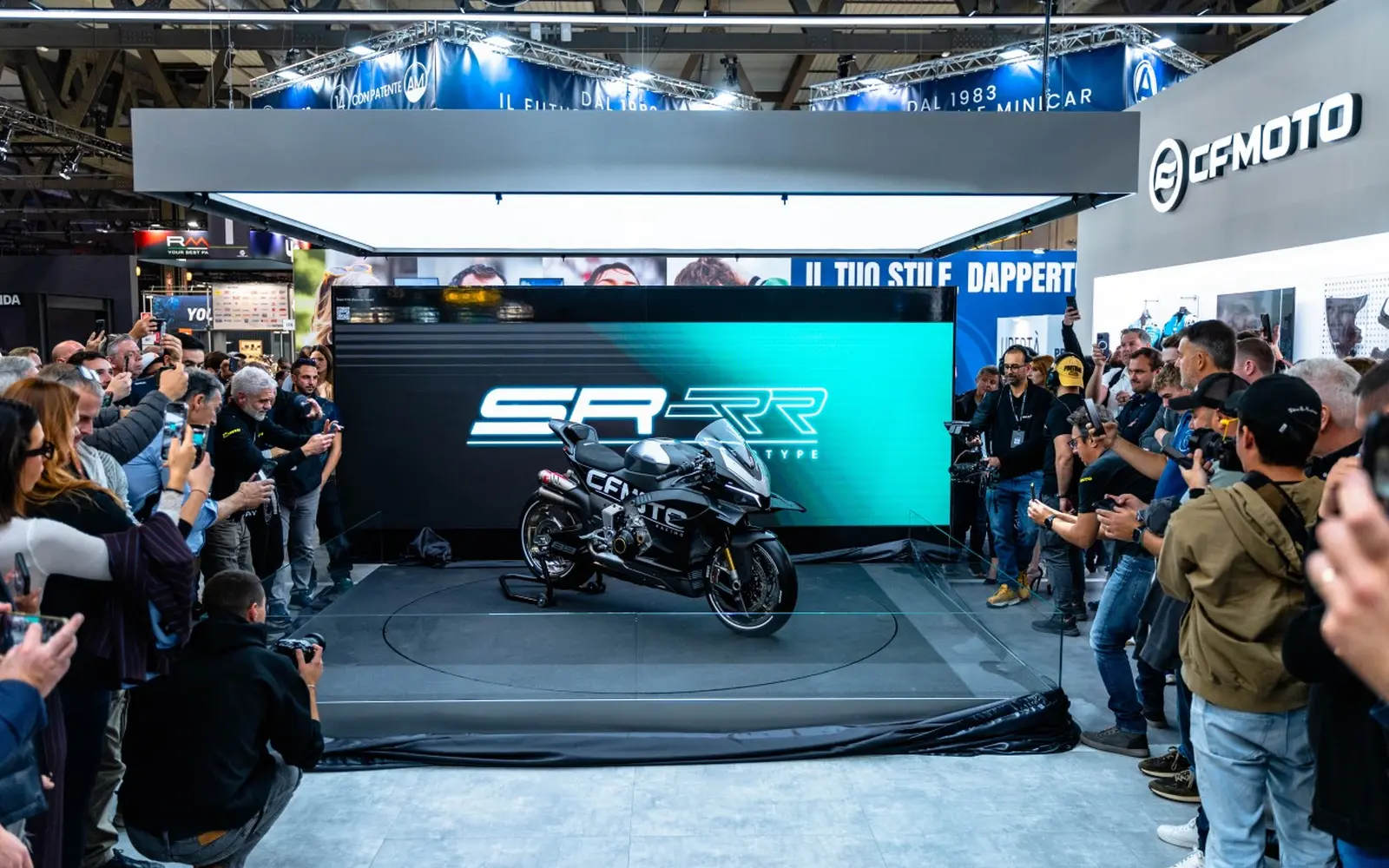
V4 SR-RR
CFMOTO’s V4 SR-RR uses an in-house 997cc 90-degree V4. The company claims more than 210 hp and a curb weight below 200 kg, backed by semi-active suspension and serious aerodynamic development.
It is not yet a normal showroom motorcycle. It is a warning shot that a brand once known mainly for price is now chasing the top of the superbike market.
Manufacturer announcementShop sportbike performance
V3R 900 E-Compressor
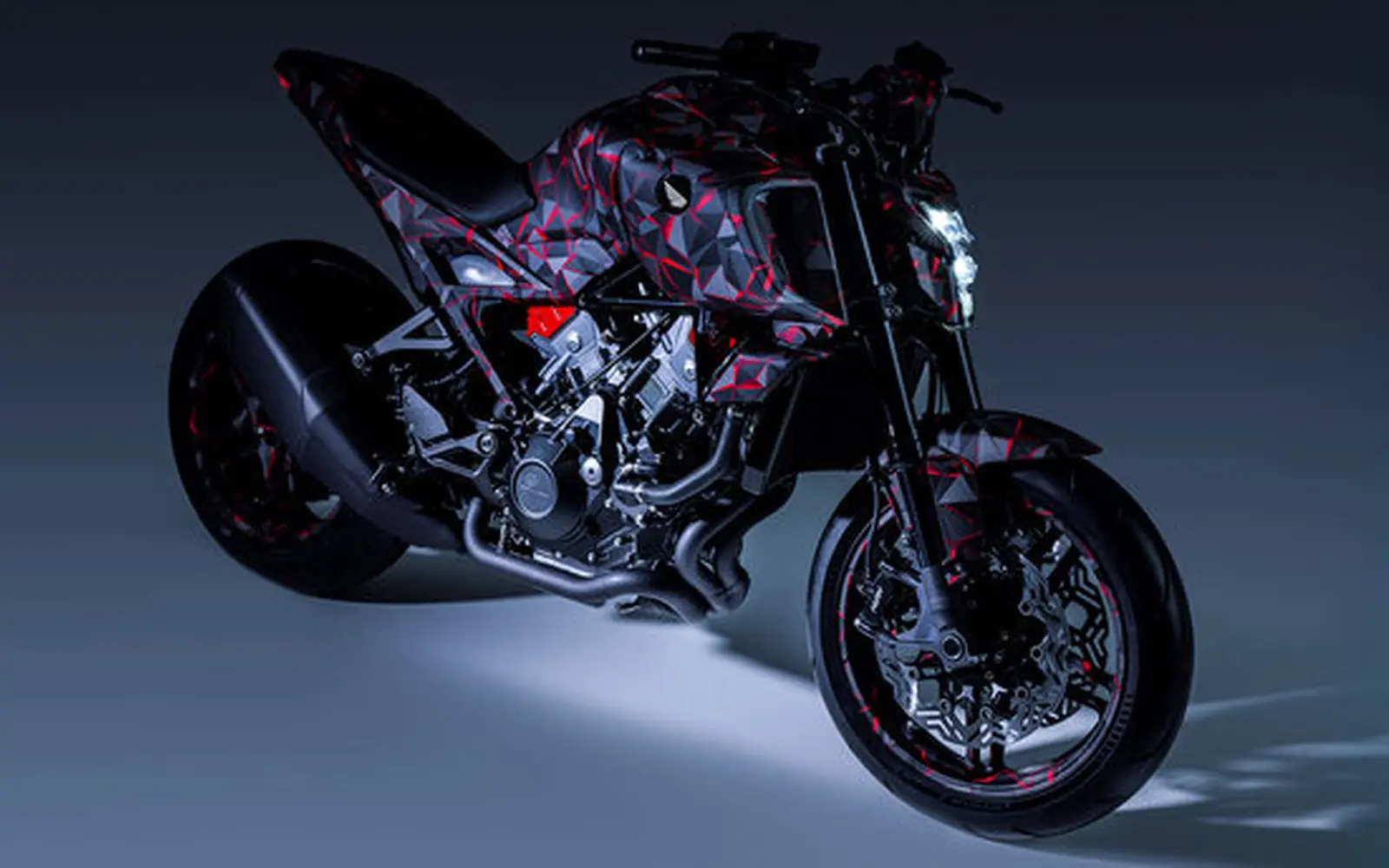
Honda’s 900cc V3 prototype adds an electronically controlled compressor that can build boost independently of engine speed. Honda says the development target is big-engine output with the balance and agility of a compact 900.
This is the combustion entry with the most intriguing engineering: forced induction aimed at controllable street torque instead of a dyno-sheet stunt.
Manufacturer technology pageShop performance essentials
Monster V2
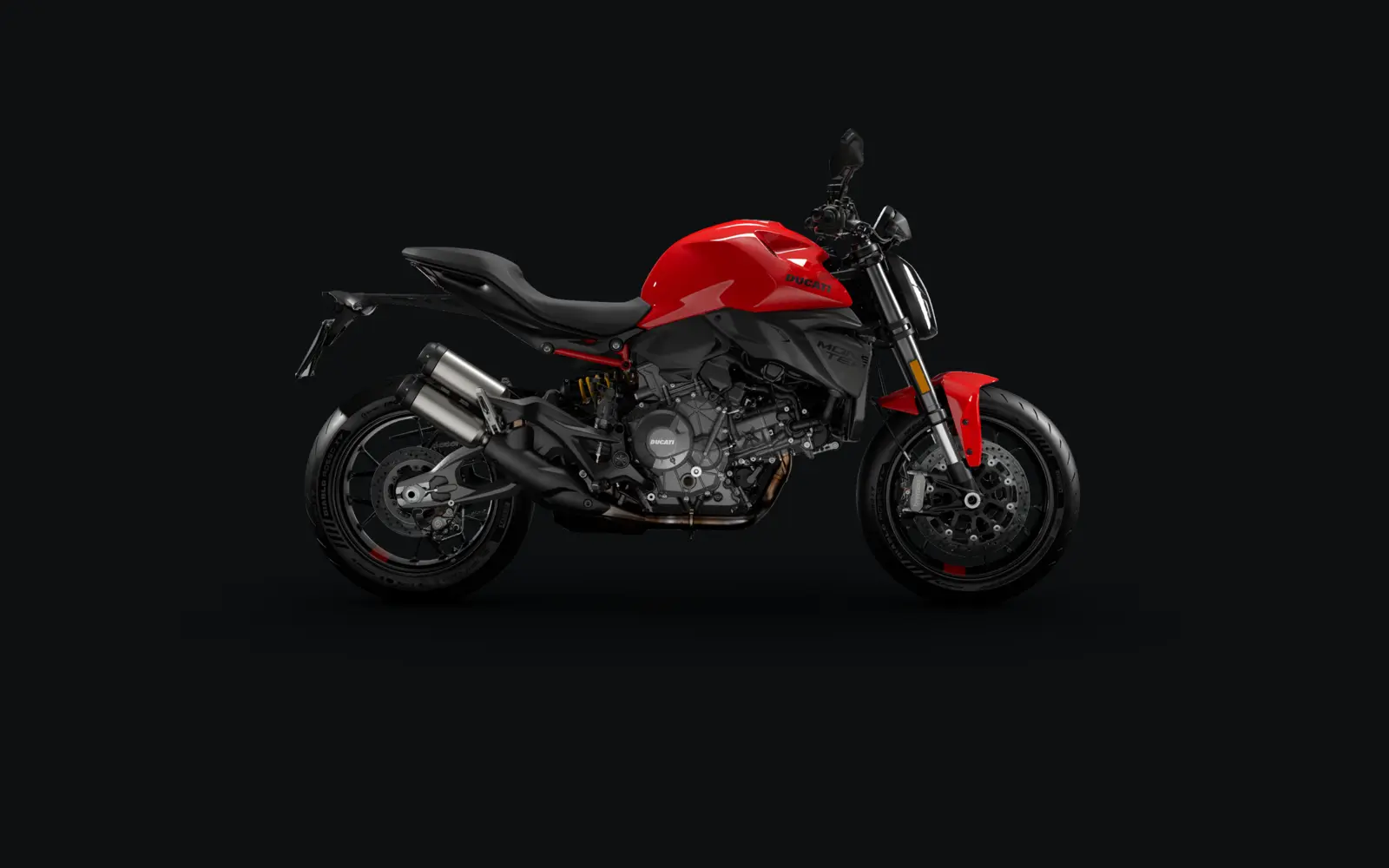
Ducati’s fifth-generation Monster gets the newer 890cc V2 with intake variable timing, 110.7 hp, and a published 28,000-mile valve-clearance interval. It is a full platform renewal, not a cosmetic refresh.
The interesting part is the combination of lighter, simpler street manners with longer maintenance intervals—two areas where real ownership matters more than spec-sheet theater.
Manufacturer detailsShop naked-bike upgrades
CB1000F
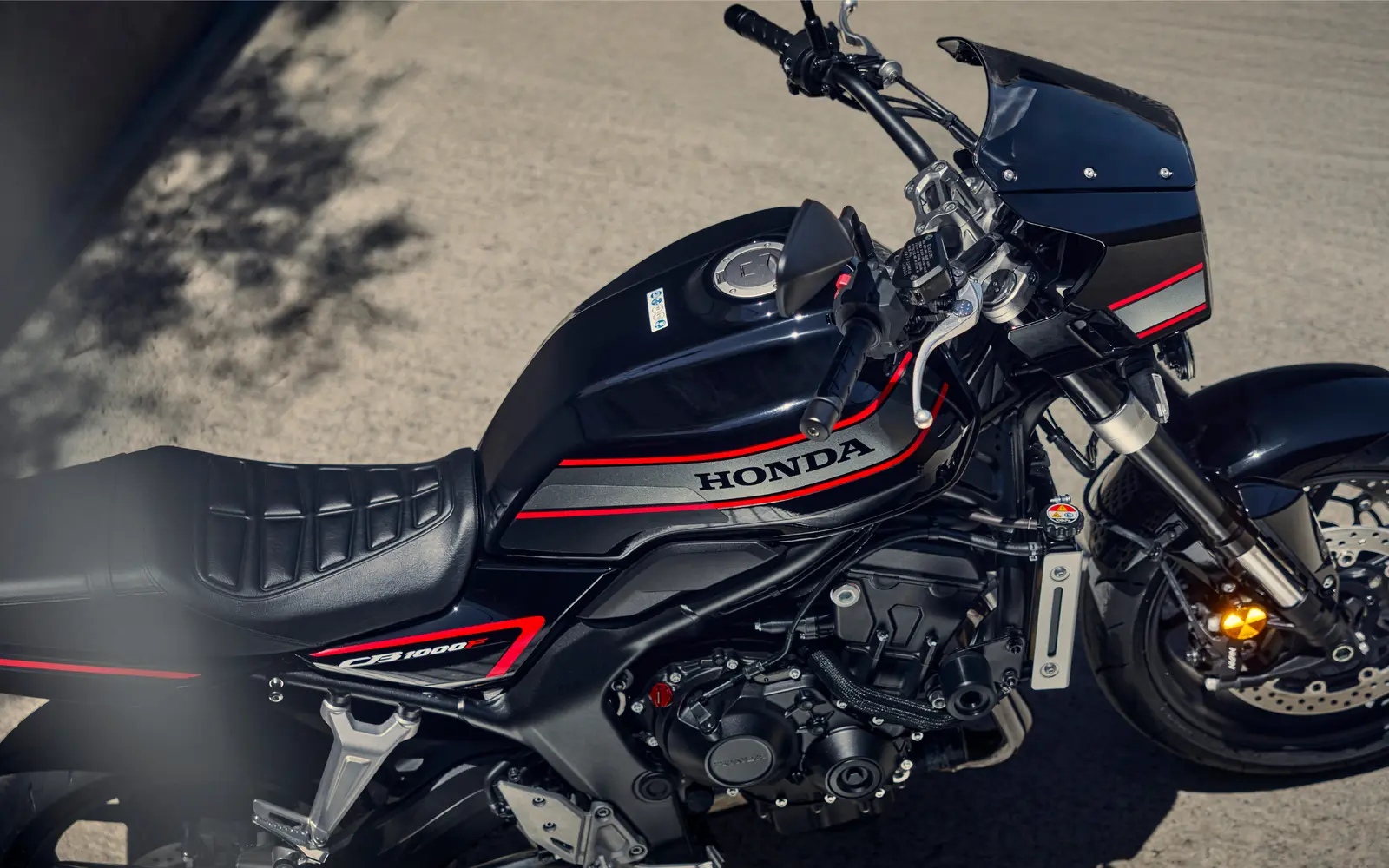
Honda wraps a 1,000cc four-cylinder, cornering ABS, ride modes, and modern connectivity in a shape inspired by the late-1970s CB-F lineage. Published output is 91 kW with 103 Nm of torque.
Retro motorcycles often ask riders to trade capability for character. The CB1000F’s appeal is that it looks backward without engineering backward.
Manufacturer detailsShop modern-classic upgrades
C6 Electric
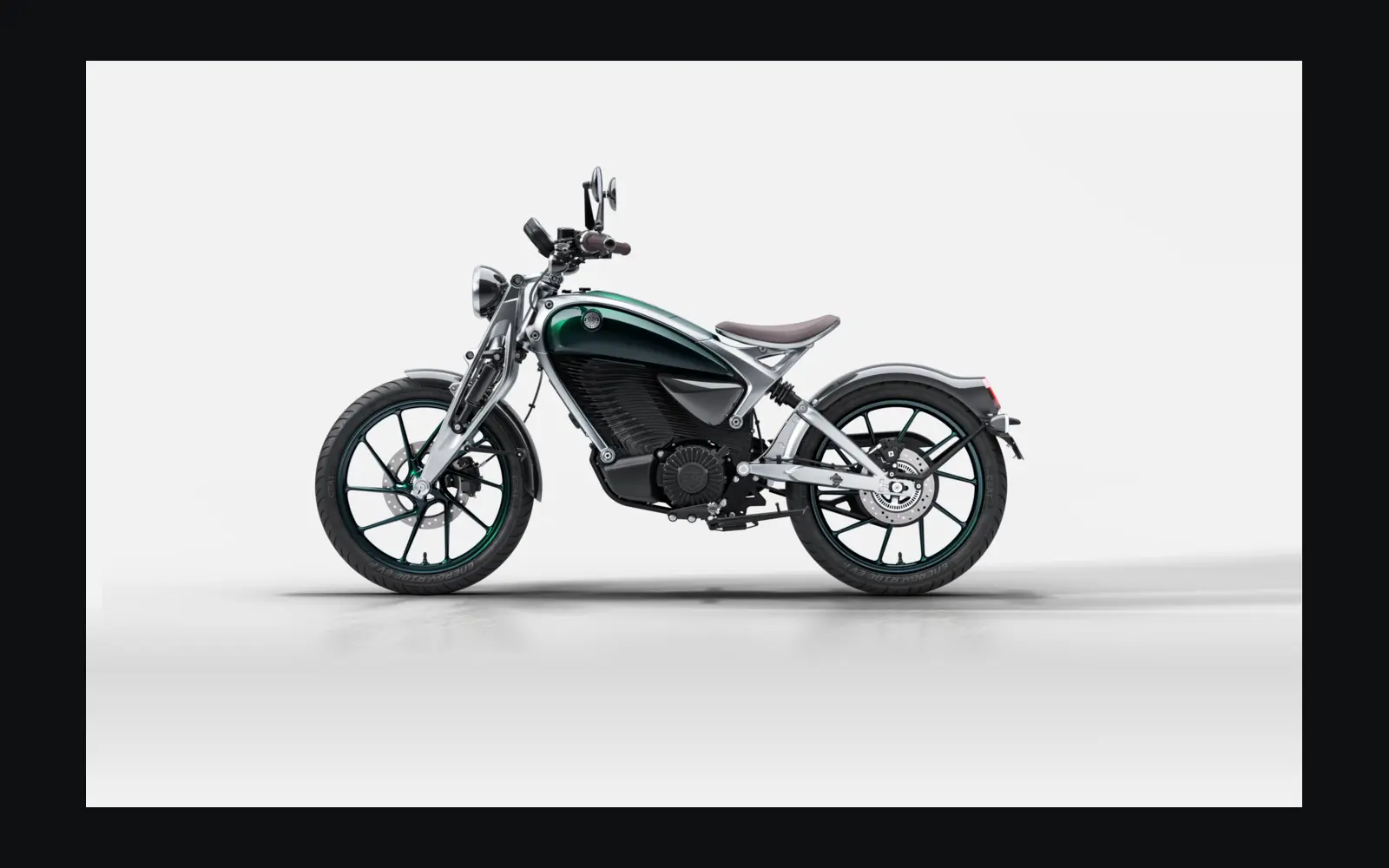
Royal Enfield’s Flying Flea C6 combines a forged aluminum girder fork, belt drive, onboard charging, multiple ride modes, traction control, and lean-angle-sensitive ABS in a deliberately lightweight urban package.
Final market timing and specifications remain important watch items. The concept is compelling because it treats electric city mobility as a desirable motorcycle—not a disposable appliance.
Manufacturer detailsShop universal upgrades
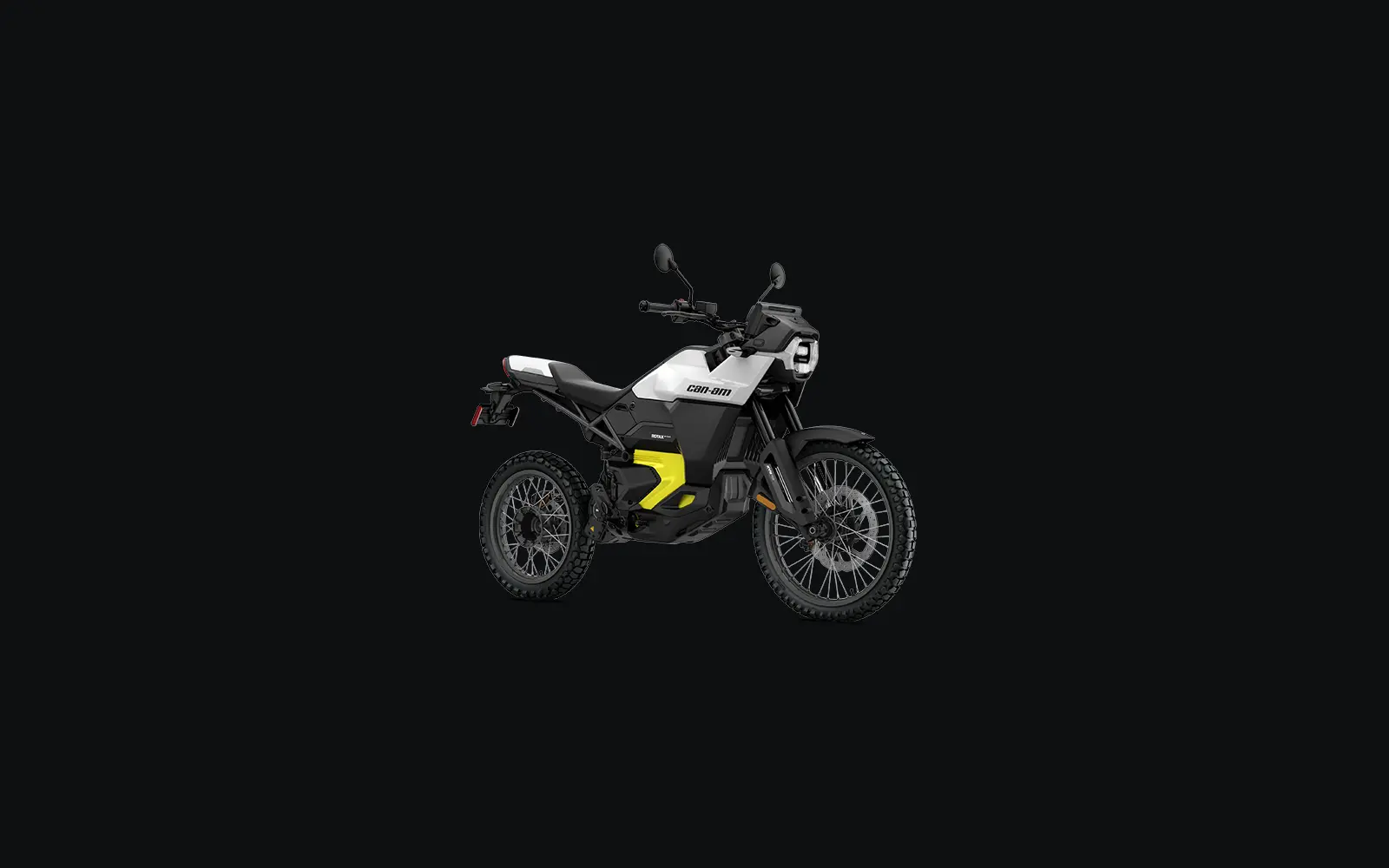
Origin Electric Dual-Sport
The Origin pairs a 35 kW liquid-cooled Rotax E-Power motor with 10 inches of suspension travel, a 21-inch front wheel, and a protected enclosed chaincase. Can-Am lists up to 90 miles of city range and 71 miles combined.
Its value is specificity. Instead of pretending one electric platform fits every rider, Can-Am built the Origin around mixed-surface use and easy daily maintenance.
Manufacturer detailsShop adventure essentials
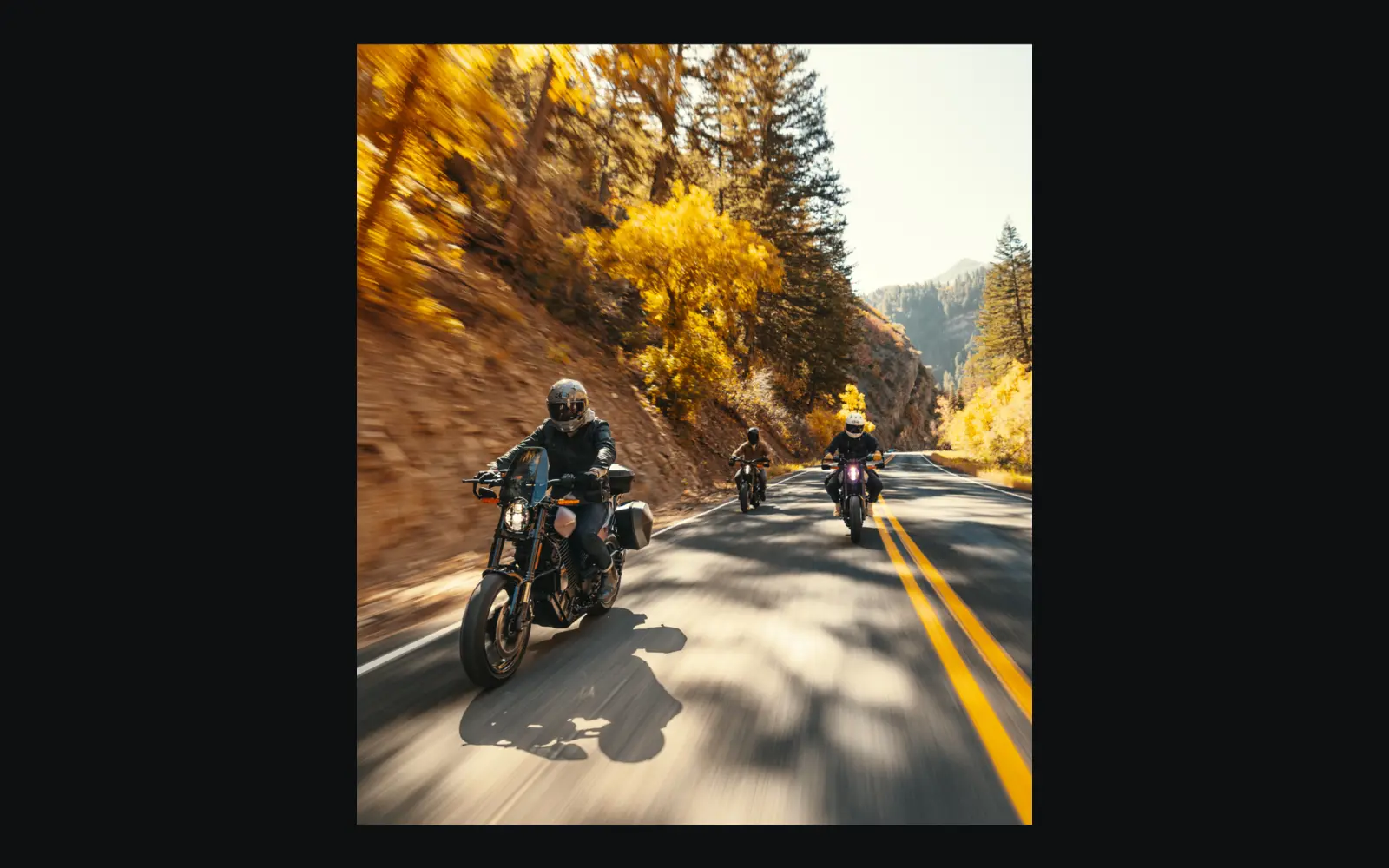
S2 Alpinista
The S2 Alpinista uses 17-inch wheels and a street-focused chassis around LiveWire’s S2 Arrow architecture. LiveWire publishes 84 hp, 433 pounds, and a claimed three-second 0-to-60 mph run.
It is one of the clearest examples of an electric motorcycle designed around handling and personalization first, rather than asking riders to admire the battery specification.
Manufacturer detailsShop universal upgrades